domingo, 17 de agosto de 2008

Green tea protects livers

20 Feb. 2005


A new study investigating the effects of the major flavonoid component of green tea on hepatic steatosis (fatty liver) found that it significantly protected livers that suffered ischemia/reperfusion (I/R) injury in mice. I/R injury, which is caused by decreased blood flow, can lead to complications after liver transplantation.

The results of this study appear in the March 2005 issue of Liver Transplantation, the official journal of the American Association for the Study of Liver Diseases (AASLD) and the International Liver Transplantation Society (ILTS). The journal is published on behalf of the societies by John Wiley & Sons, Inc. and is available online via Wiley InterScience.

Approximately one-fifth of the U.S. population is afflicted with hepatic steatosis due to a rising incidence of obesity. Because fatty livers are more sensitive than lean livers to I/R injury and are associated with an increased risk of disease and death, this has resulted in fewer usable donors for liver transplants. In fact, nearly one-third of all donated livers are afflicted with fatty changes, but longer waiting lists are forcing practitioners to consider using these organs. A previous study found that rinsing livers with a solution containing green tea extract prevented failures in transplants using fatty livers. The current study examined whether (-)-epigallocatechin-3-gallate (EGCG), the major flavonoid component found in green tea, protected fatty livers from cell damage after I/R injury.

Led by Kenneth D. Chavin, M.D., Ph.D., of the Medical University of South Carolina in Charleston, SC, researchers administered EGCG either orally or by injection and performed surgery to induce I/R injury in mice; control groups did not receive the EGCG. Mice receiving EGCG by either method showed a survival rate of 100 percent, versus 65 percent for the controls. Tissue analysis showed that the EGCG mice had decreased necrosis (cell death) and a higher percentage of viable tissue, demonstrating that the flavonoid protected the liver from I/R injury.

The next step was to determine the mechanism by which EGCG protected fatty liver cells from I/R injury. Researchers developed a technique to measure fatty acids and found that levels of palmitic and linoleic acid, two fatty acids that are present in large amounts in fatty livers, decreased significantly in EGCG treated mice. Further tests revealed an increase in hepatic energy stores (one of the liver's functions is to store energy in the form of glycogen) in EGCG mice and showed that EGCG was acting as an antioxidant, thereby protecting fatty livers from I/R injury. In addition, the study showed that EGCG reduced liver fat content by approximately 55 percent. "Significant differences to the fat content, energy stores and markers of cellular injury were observed regardless of how the compound was administered," the authors note.

The authors conclude that "the data presented here indicates that EGCG protects the steatotic liver from I/R injury by reducing hepatic fat content, increasing energy stores, serving as an antioxidant and may stimulate the production of additional antioxidants such as GSH." They add that these activities warrant further investigation and that a thorough understanding of how ECGC acts may suggest its use as a therapeutic agent for fatty livers used in liver transplants.


Read also:

Body Puts Cells 'Under Arrest' To Protect Against Liver Disease

&

Green tea extract has potential as an anti-cancer agent

Green tea boosts exercise endurance


Source: http://www.news-medical.net

sábado, 16 de agosto de 2008

The Danger of Stress

August 15, 2008
By Melinda Wenner


Getting stressed isn't just a state of mind.

It can also seriously harm the body.


You probably think you're doing everything you can to stay healthy: you get lots of sleep, exercise regularly and try to avoid fried foods. But you may be forgetting one important thing. Relax! Stress has a bigger impact on your health than you might realize, according to research presented yesterday at the annual conference of the American Psychological Association in Boston.

Ohio State University psychologist Janice Kiecolt-Glaser and her partner, Ronald Glaser, an OSU virologist and immunologist, have spent 20-odd years researching how stress affects the immune system, and they have made some startling discoveries. An easy example comes from their work with caregivers, people who look after chronically ailing spouses or parents (no one would argue that this role is quite stressful). In one experiment, Kiecolt-Glaser and her colleagues administered flu vaccines to caregivers and control subjects and compared the numbers of antibodies—proteins involved in immune reactions—that the two groups produced in response. Only 38 percent of the caregivers produced what is considered an adequate antibody response compared to 66 percent of their relaxed counterparts, suggesting that the caregivers' immune systems weren't doing their jobs very well—and that the stress of caregiving ultimately put them at an increased risk of infection.

If stress affects immune responses, then it should also affect how well the body heals itself. In one particularly cringe-worthy study, Kiecolt-Glaser and her colleagues afflicted a group of caregivers with small arm wounds using a tool dermatologists use to perform skin biopsies. The caregivers' wounds took 24 percent longer to heal than wounds that they had afflicted to non-caregivers.

Okay, but what if caregiving isn't an accurate proxy for stress? To explore other stressful situations, Kiecolt-Glaser and colleagues performed another experiment in which they produced tiny lesions in the mouths of—quite appropriately—11 dental students at two different points in time. Once was during their summer vacation, when they were relaxed, and once was during the fall, several days before a difficult exam. The lesions done before the exam took from two to eight days longer to heal than the summer wounds. For some subjects, the exam wounds took nearly twice as long to get better. Ouch.

How Stress Hurts

It might seem counterintuitive, but Kiecolt-Glaser believes that stress makes our immune systems less effective because it actually elicits an immune response itself. Stress, she says, causes the body to release pro-inflammatory cytokines, immune factors that initiate responses against infections. When the body produces these cytokines over long periods of time—for instance, as a result of chronic stress—all sorts of bad things can happen. Not only does it hamper our body's ability to fight infection and heal wounds, but chronic inflammation also increases our risk of heart disease, osteoporosis, and autoimmune diseases including type 2 diabetes.

What's more, because regular stress causes a chronic immune response, it can also increase a person's risk for allergies, which occur when the body elicits a chronic immune response against something that's not really dangerous (like pollen). In her most recent study, announced yesterday, Kiecolt-Glaser found that when people are under lots of stress—for instance, when they are forced to deliver a speech or do difficult math problems on the spot—their allergies worsen over the course of the next day.

I admit, this post may not exactly have the intended effect—worrying about the danger of stress is definitely stressful—but take a deep breath. If you ask me, learning a few relaxation techniques sounds like a more appealing illness-prevention strategy than many other alternatives. (Go ahead and throw away that cod liver oil.) Indeed, the next time you feel guilty about enjoying a lazy Sunday, or taking a day off from work for the heck of it, think again. Your body will thank you for it.


Source: http://www.sciam.com

A origem da Lua

2 de Agosto de 2008


Não se sabe ao certo como a lua se originou, mas existem inúmeras teorias que relatam o seu aparecimento em órbita. A teoria mais aceite hoje diz que a lua se formou através de uma colisão entre o planeta Terra e um corpo do tamanho de Marte aproximadamente há 4,6 bilhões de anos.

Acredita-se que o choque entre os dois corpos aconteceu na última fase do processo de formação da Terra onde parte do seu núcleo se perdeu. Uma nuvem de poeira formou-se sobre a Terra devido à colisão.

A parte do núcleo que se perdeu durante o choque, sofreu um processo de condensação e aproximou-se do plano da eclíptica que fez com que este núcleo condensado entrasse em órbita. A sua temperatura após a condensação explica a ausência de compostos voláteis nas rochas lunares.


Source: http://blog-das-curiosidades.blogspot.com

Factos curiosos

9 de Março de 2008
do ebook: Interesting facts


* O “Mar da tranquilidade” na Lua, é mais profundo que a altitude da maior montanha na Terra.

* Adolf Hitler foi eleito o “homem do ano” em 1938...


* As cores amarela, vermelho e laranja são utilizadas em restaurantes de fast-food porque estimulam o apetite...


* O país de Andorra tem zero por cento de desemprego.


* Se retirássemos todo o sal dos oceanos, esse sal daria para cobrir todos os continentes da Terra com uma camada até 1,3 metros..


* Uma só árvore consegue filtrar 27 kg de partículas poluentes na atmosfera, por ano..

( Repare na falta que nos faz cada árvore que é abatida).

* O seu cérebro é 80% de água.


* Morihei Ueshiba, que criou o Aikido, um dia derrotou um adversário usando apenas um dedo.


* A cada 30 segundos, alguém se divorcia no Mundo.


* Existem cerca de 6800 linguagens no mundo..


* A abelha do mel bate as suas asas 11500 vezes por minuto..


* O mel é o unico alimento que não se estraga, arqueólogos encontraram mel em algumas tumbas de faraós, provaram, e não tinha gosto de estragado...


* O maior ser vivo na Terra é um cogumelo em Oregon, debaixo da terra encontra-se o cogumelo, os pequeninos “cogumelos” á superfície são apenas extremidades das raízes da “cabeça” do cogumelo subterrânea com 5,6 km de diâmetro..


Source: http://blog-das-curiosidades.blogspot.com

ETA expands to Portugal

14 August 2008


BASQUE NATIONALIST separatist group Euskadi Ta Askatasun (ETA), Basque Homeland and Freedom, has been trying to establish a logistic backup in Portugal.

According to reports in the Spanish media, one of the ETA leaders, Arkaitz Goikoetxea, arrested in July by the Guardia Civil, has revealed that he visited Portugal on numerous occasions during 2007.

It has been stated that in his testimony, he admitted visiting the country to “obtain infrastructures” along with car and motorbike number plates for falsification.

The Basque group is said to have used Portugal-based rental vehicles in 2006 and 2007 for a series of attacks.

To strengthen the surveillance over the illegal organisation’s activities, the Portuguese and Spanish authorities signed a political agreement in October 2007 so that police forces in the two countries can work together.

In Portugal, that cooperation is said to involve the GNR, PSP and PJ, although authorities do not reveal further information about their work.

On the Spanish side, the Guardia Civil and the Corpo Nacional de Policia are the police forces controlling the operations.


Source: http://portugalresident.com

Mechanism Behind Cocaine Craving Identified

Aug. 16, 2008


A possible future way to prevent relapses into drug dependence has been discovered by researchers at Linköping University and the German cancer research center DKFZ. The target is the dopamine-producing nerve cells in the midbrain.

Earlier research has shown that these cells become more excitable when a person takes drugs. To find out the functional meaning of this, these researchers used a mouse model for cocaine dependence. When they blocked the cells’ receptors for glutamate ­- the brain’s most important signal substance -­ the risk of relapsing into addiction vanished. The findings are being published in Neuron.

Dopamine-producing nerve cells are central to the brain’s reward system. Dependence-inducing drugs cause concentrations of dopamine to rise in the surroundings, which in turn affects other nerve cells and brings about various physical and mental reactions.

Cocaine has a very rapid impact on dopamine levels, which explains why it is one of the most addictive drugs.

“When you take cocaine, the number of glutamate receptors increases, rendering the cell more excitable. When we block this process, we prevent relapses into addiction. This is interesting clinically since that is the phase when we can get hold of patients,” says David Engblom, a neurobiologist at Linköping University and the study’s lead author.

An addict who wants to give up drugs could thus be offered a ‘vaccination’ against relapsing. But much more research remains to be done before such treatment can become a reality.


Source: http://www.sciencedaily.com

Coastal "dead zones" spread globally, study finds

August 15, 2008


WASHINGTON (Reuters) - "Dead zones" in coastal waters -- regions of ocean floor so deprived of oxygen that most marine life cannot survive -- are spreading worldwide at an alarming pace, scientists said on Thursday.

Driving the trend are nitrogen and phosphorous from chemical agricultural fertilizers that reach coastal waters after flowing off farm fields and into streams and rivers, according to the study published in the journal Science.

Nitrogen compounds from burning fossils fuels, particularly from power plants and cars, also are settling back to the ground and eventually wash into coastal waters, they said.

This decade alone, the number of coastal dead zones has risen by about a third to 405 worldwide, with clusters on the coasts of the United States and Europe. Combined, they take up an area of at least 95,000 square miles.

The biggest one measures about 30,000 square miles in the Baltic Sea, the researchers said. This is followed in size by one in the Gulf of Mexico starting at the mouth of the Mississippi River in the United States and one at the mouth of China's Yangtze River in the East China Sea.

"It's not sort of a local or regional problem, which is how it was thought of in the past," Robert Diaz of the College of William and Mary's Virginia Institute of Marine Science said in a telephone interview. "It is actually a global problem."

"Most of it is agricultural-based, but there is a lot of industrial nitrogen in there, too, if you consider electric generation industrial," added Diaz, who tracked the proliferation of the dead zones along with Rutger Rosenberg of the University of Gothenburg in Sweden.

The number of dead zones started to approximately double every 10 years starting in the 1960s, the researchers said.

There were 301 such dead zones at the end of the 1990s, 132 at the end of the 1980s, 63 at the end of the 1970s and 39 at the end of the 1960s, Diaz said.

The researchers said dead zones must be considered an important source of stress on marine ecosystems, ranking alongside over-fishing, habitat loss from human development and harmful algal blooms as global environmental problems.

Dead zones are formed when excess nutrients, mostly nitrogen and phosphorus, enter coastal waters and help fertilize blooms of algae. When these tiny plants die and sink to the sea bottom, they provide a food source for bacteria, which consume dissolved oxygen from surrounding waters.

As a result, there are large areas of sea floor with insufficient oxygen to support most marine life.

"Fish are the best at avoiding dead zones. When the oxygen starts to decline, they're smart -- they leave, they don't hang around. Crabs and shrimp are pretty good at getting away, too, as are lobsters," Diaz said.

But slower-moving creatures on the sea floor often die, including worms, clams and small crustaceans. "These are the animals that are the fundamental food base for the commercial crabs, shrimp and fish that feed on the bottom," Diaz said.


Source: http://www.enn.com

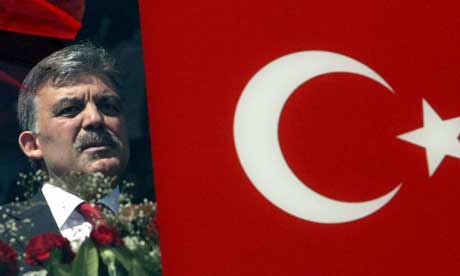
Turkish prez says US must share power in 'new world order'

August 15, 2008
Andrew McLemore


For controversial Turkish President Abdullah Gül, the recent war in Georgia signals a "new world order" that will emerge from the rubble of South Ossetia and force the United States to share its power, The Guardian reported.

Gül said America's inability to prevent Russia's invasion shows that the US can no longer shape world politics as it once did.

"I don't think you can control all the world from one centre," Gül said. "There are big nations. There are huge populations. There is unbelievable economic development in some parts of the world. So what we have to do is, instead of unilateral actions, act all together, make common decisions and have consultations with the world. A new world order, if I can say it, should emerge."

The geopolitical turmoil in the Caucusus -- a region between Europe and Asia that includes the nations of Georgia and Turkey -- has placed Turkey in a difficult position between pleasing its neighbor Russia and not hurting its relationship with the US.

The conflict in Georgia proved Turkey's tenuous position regarding energy when Russian tanks cut the flow of oil to Turkey from a pipeline running through Georgia, Reuters reported.

Turkey's energy problems have forced it to seek gas from Russia and Iran, prompting an outcry from Washington.

Gül spoke to The Guardian shortly before a meeting with Iran's President Mahmoud Ahmadinejad.

The US warned Turkey on Thursday against striking an energy deal with Iran after learning of the two presidents' meeting, Financial Times reported.

US officials claim the deal will undermine international efforts to curb Iran's nuclear program.

"Such a deal by Turkey with Iran would send the wrong message at a time when the Iranian regime has repeatedly failed to comply with its UN Security Council and IAEA obligations," the US state department said.

Gül said he doesn't want Iran to have nuclear weapons, but he "doesn't want to think about" the United States attack on Iran.

"I don't want to think about that. Everybody should take a lesson from what happened in Iraq," he said. "Diplomatic solutions are always better than hard solutions."


Source: http://rawstory.com

sexta-feira, 15 de agosto de 2008

Graveyard Reveals Lifestyles Of A 'Green Sahara'

Aug. 15, 2008


Stone Age Graveyard Reveals Lifestyles Of A 'Green Sahara'


The largest Stone Age graveyard found in the Sahara, which provides an unparalleled record of life when the region was green, has been discovered in Niger by National Geographic Explorer-in-Residence and University of Chicago Professor Paul Sereno, whose team first happened on the site during a dinosaur-hunting expedition.

The remarkable archaeological site, dating back 10,000 years and called Gobero after the Tuareg name for the area, was brimming with skeletons of humans and animals — including large fish and crocodiles. Gobero is hidden away within Niger’s forbidding Ténéré Desert, known to Tuareg nomads as a “desert within a desert.” The Ténéré is the setting of some of Sereno’s key paleontological discoveries, including the 500-toothed, plant-eating dinosaur Nigersaurus that lived 110 million years ago and the enormous extinct crocodilian Sarcosuchus, also known as SuperCroc.

The discovery of the lakeside graveyard — representing two successive human populations divided by more than 1,000 years — is reported in the September 2008 issue of National Geographic magazine and the Aug. 14 issue of the journal PLoS ONE.

As they explored the site, the team tiptoed among dozens of fossilized human skeletons laid bare on the surface of an ancient dune field by the hot Saharan wind. Jawbones still clenched nearly full sets of teeth; a tiny hand reached up through the sand, its finger bones intact. On the surface lay harpoon points, potsherds, beads and stone tools. The site was pristine, apparently never visited.

“Everywhere you turned, there were bones belonging to animals that don’t live in the desert,” said Sereno. “I realized we were in the green Sahara.”

Two seasons of excavation supported by the National Geographic Society eventually revealed some 200 graves clearly belonging to two successive lakeside populations. The older group, determined to be Kiffian, were hunters of wild game who left evidence that they also speared huge perch with harpoons when they colonized the green Sahara during its wettest period between 10,000 and 8,000 years ago. Their tall stature, sometimes reaching well over 6 feet, was not immediately apparent from their tightly bound burial positions.

The more recent population was the Tenerian, a more lightly built people who appeared to have had a diverse economy of hunting, fishing and cattle herding. They lived during the latter part of the green Sahara, about 7,000 to 4,500 years ago. Their one-of-a-kind burials often included jewelry or ritual poses — a girl wearing an upper-arm bracelet carved from a hippo tusk, for example, and a stunning triple burial containing a woman and two children in a poignant embrace.

“At first glance, it’s hard to imagine two more biologically distinct groups of people burying their dead in the same place,” said team member Chris Stojanowski, a bioarchaeologist from Arizona State University. “The biggest mystery is how they seemed to have done this without disturbing a single grave.”

Although the Sahara has long been the world’s largest desert, a faint wobble in Earth’s orbit and other factors occurring some 12,000 years ago caused Africa’s seasonal monsoons to shift slightly north, bringing new rains to the Sahara. From Egypt in the east to Mauritania in the west, lakes with lush margins dotted the formerly parched landscape, drawing animals, fish and eventually people. Separating these two populations was an arid interval perhaps as long as a millennium that began about 8,000 years ago, when the lake disappeared and the site was abandoned.

Dating the sun-bleached bones of fossil humans in the Sahara has proved very difficult. Using a new technique, the team has obtained nearly 80 radiocarbon dates from Gobero bones and teeth, including comprehensive dates based directly on human skeletons.

Archaeologist Elena Garcea of the University of Cassino in Italy helped identify the poorly known cultures so well-preserved at the site. Garcea, an expert in ancient pottery who has spent nearly three decades digging at Stone Age sites in northern Africa, traveled with Sereno in 2005 to the site, where she stood amazed, gazing at far more human skeletons than she had seen in all her previous digs combined.

She quickly homed in on two distinct types of pottery, one that bore a pointillistic pattern linked with the Tenerian and another that had wavy lines and zigzags. “These are Kiffian,” a puzzled Garcea told Sereno. “What is so amazing is that the people who made these two types of pots lived in the same place more than a thousand years apart.”

Over the next three weeks Sereno, Garcea and their team of five American excavators made a detailed map of the site. They exhumed eight burials and collected scores of artifacts from both cultures. In a dry lake bed nearby, they found dozens of Kiffian fish hooks and harpoons carved from animal bone as well as skeletal remains of massive Nile perch, crocodile and hippo.

A year later, a second round of excavation turned up more riddles: An adult Tenerian male was buried with his skull resting on part of a clay vessel; another adult male was interred seated on the shell of a mud turtle.

One burial, however, brought 2006 activity at the site to a standstill: Lying on her side, the skeleton of a petite Tenerian woman emerged from the sand, facing the skeletons of two young children; their slender arms reached toward her and their hands were clasped in an everlasting embrace. Samples taken from under the skeletons contained pollen clusters — evidence the people had been laid out on a bed of flowers. The team employed a range of new techniques to preserve this remarkable burial exactly as it had been for more than 5,000 years.

Bioarchaeologist Stojanowski analyzed dozens of individuals’ bones and teeth for clues to the two populations. “This individual, for example, had huge leg muscles,” he said of ridges on the thigh bone of a Kiffian male, “which suggests he was eating a lot of protein and had an active, strenuous lifestyle. The Kiffian appear to have been fairly healthy — it would be difficult to grow a body that tall and muscular without sufficient nutrition.” In contrast, the femur ridge of a Tenerian male was barely perceptible. “This man’s life was less rigorous, perhaps taking smaller fish and game with more advanced hunting technologies,” Stojanowski said.

Analysis of measurements on Kiffian skulls links them to skulls found across northern Africa, some as old as 16,000 years, Stojanowski said. The Tenerian, however, are not closely linked to these ancient populations.

Ancient bones from many animals common today on the Serengeti were identified at the site by Hélène Jousse, a zooarchaeologist from the Museum of Natural History in Vienna, Austria. The evidence showed that elephants, giraffes, hartebeests, warthogs and pythons all made Gobero their home. Abundant bones of 6-foot-long Nile perch indicate the presence of a deep lake during Kiffian times; remains of small catfish and tilapia make it likely that the waters were shallower during Tenerian times.

The team is continuing to analyze Gobero bones for more clues to the people’s health and diet. A large-scale return expedition is planned to the site to further explore the two populations that coped with extreme climate change.

Besides National Geographic, the research at Gobero is funded by the Island Fund of the New York Community Trust, the National Science Foundation and the Wenner-Gren Foundation for Anthropological Research.

The National Geographic magazine article and special Web features on Gobero are at
http://www.nationalgeographic.ngm.com.

Extensive information about the discovery and science of Gobero is available at Project Exploration’s “People of the Green Sahara” Web site, http://www.projectexploration.org.


Source: http://www.sciencedaily.com

Eleven new streams of stars found in Milky Way

16 August 2008
Rachel Courtland


Eleven new streams of stars may have been spotted in the Milky Way in a survey of a quarter million stars. The streams may provide new forensic evidence of the Milky Way's violence, as they were likely ripped from dwarf galaxies that were gobbled up by our galaxy.

The eleven possible streams turned up during a study of the velocities of stars in the Milky Way's inner halo – a bubble-like region that surrounds the galactic centre. Only two streams were previously known to exist in the area.

The stars in the proposed streams move at roughly the same speed. That suggests they all originate from the same place – most likely small galaxies that were pulled in to create the Milky Way.

A number of other dramatic structures, such as a bright stellar stream known as Sagittarius, sit farther from the galactic centre, where they can be easily spotted because the stars appear closely clumped together.

"These things definitely won't make the same kind of pretty pictures on the sky that previous stream discoveries did," says Kevin Schlaufman, a graduate student at the University of California, Santa Cruz, who did the new analysis.

Inside out

Streams closer to the galactic centre are likely to be older. That may explain why they are not photogenic – they have had more time to be ripped apart. "The notion is that you probably build a galaxy up from the inside out," says Connie Rockosi, Schlaufman's advisor.

The find was made using data from the SEGUE survey, which was part of a mammoth mapping project called the Sloan Digital Sky Survey.

SEGUE was designed in part to measure stellar velocities to look for substructures such as streams. Velocity is "actually a signature that's much longer-lived than looking at stars that are bunched together on the sky, which only works with very recent accretion events", Rockosi told New Scientist.

The 11 candidate streams were identified in a study of 100 small patches of the sky. Extrapolating that rate outwards suggests the entire inner 75,000 light years of the galaxy may contain close to 1000 separate streams of stars – ripped from as many galaxies.

One and the same

Such statistics could help fill out galaxy formation models, which make predictions about how much substructure should form as large galaxies absorb smaller ones.

But it may be too early to say for certain whether all of the patches of uniformly moving stars are distinct streams. Some may constitute the same stream, which is simply being seen in two different parts of the sky.

The clumps do seem to have distinct velocities – "probably more different than one would expect if you looked at the same feature from different places on the sky", Schlaufman told New Scientist. The patches also seem to be fairly far from each other. "But that isn't conclusive proof of uniqueness by any means," he cautions.

Checks of the stars' chemical composition could help determine whether some patches share a common origin.

Studying the chemical composition could also indicate what conditions were like in the galaxies where these stars got their start, before the Milky Way intervened.

The research was presented at a conference on the Sloan Digital Sky Survey in Chicago on Saturday.


Source: http://space.newscientist.com

sábado, 9 de agosto de 2008

Last Ice Age happened in less than year say scientists

02 August 2008


Source: http://news.scotsman.com

Fingerprints Provide Clues To More Than Just Identity

Aug. 8, 2008


Fingerprints can reveal critical evidence, as well as an identity, with the use of a new technology developed at Purdue University that detects trace amounts of explosives, drugs or other materials left behind in the prints.

The new technology also can distinguish between overlapping fingerprints left by different individuals - a difficult task for current optical forensic methods.


This image shows two fingerprint images and a chemical composition graph obtained from a single analysis using new technology developed at Purdue. The fingerprint in the center shows an image created from an analysis of the presence of cocaine molecules. The fingerprint on the left is a computer-generated image created from the cocaine analysis for use in identification software. The right figure shows the mass spectrum acquired in one pixel. (Credit: Cooks Laboratory image/Demian Ifa)

A team led by R. Graham Cooks, Purdue's Henry Bohn Hass Distinguished Professor of Analytical Chemistry, has created a tool that reads and provides an image of a fingerprint's chemical signature. The technology can be used to determine what a person recently handled.

"The classic example of a fingerprint is an ink imprint showing the unique swirls and loops used for identification, but fingerprints also leave behind a unique distribution of molecular compounds," Cooks said. "Some of the residues left behind are from naturally occurring compounds in the skin and some are from other surfaces or materials a person has touched."

The team's research will be detailed in a paper published in August 8 issue of Science.

Demian R. Ifa, a Purdue postdoctoral researcher and the paper's lead author, said the technology also can easily uncover fingerprints buried beneath others.

"Because the distribution of compounds found in each fingerprint can be unique, we also can use this technology to pull one fingerprint out from beneath layers of other fingerprints," Ifa said. "By looking for compounds we know to be present in a certain fingerprint, we can separate it from the others and obtain a crystal clear image of that fingerprint. The image could then be used with fingerprint recognition software to identify an individual."

Researchers examined fingerprints in situ or lifted them from different surfaces such as glass, metal and plastic using common clear plastic tape. They then analyzed them with a mass spectrometry technique developed in Cooks' lab.

Mass spectrometry works by first turning molecules into ions, or electrically charged versions of themselves, so their masses can be analyzed. Conventional mass spectrometry requires chemical separations, manipulations of samples and containment in a vacuum chamber for ionization and analysis. Cooks' technology performs the ionization step in the air or directly on surfaces outside of the mass spectrometer's vacuum chamber, making the process much faster and more portable, Ifa said.

The Purdue procedure performs the ionization step by spraying a stream of water in the presence of an electric field to create positively charged water droplets. Water molecules in the droplets contain an extra proton and are called ions. When the charged water droplets hit the surface of the sample being tested, they transfer their extra proton to molecules in the sample, turning them into ions. The ionized molecules are then vacuumed into the mass spectrometer to be measured and analyzed.

Researchers placed a section of tape containing a lifted fingerprint on a moving stage in front of the spectrometer. The spectrometer then sprayed small sections of the sample with the charged water droplets, obtaining data for each section and combining the data sets to create an analysis of the sample as a whole, Ifa said. Software was used to map the information and create an image of the fingerprint from the distribution and intensity of selected ions.

Additional co-authors of the paper are Nicholas E. Manicke and Allison L. Dill, graduate students in Purdue's chemistry department.

The research was performed within Purdue's Center for Analytical Instrumentation Development located at the Bindley Biosciences Center in Purdue's Discovery Park.

Cooks' device, called desorption electrospray ionization or DESI, has been commercialized by Indianapolis-based Prosolia Inc., and the research was funded by Office of Naval Research and Prosolia Inc.


Source: http://www.sciencedaily.com/releases/2008/08/080807144246.htm

quinta-feira, 7 de agosto de 2008

Underworld Maya Temples Discovered

08/2008


Hard to reach complex buildings found at some cenotes

To enter Maya underworld, Xibalbá, a tortuous road had to be walked; at the end, according to Popol Vuh, the sacred Maya book, there was a lake with houses, where hard tests had to be accomplished.

National Institute of Anthropology and History (INAH) and Autonomous University of Yucatan (UADY) archaeologists think they may have found this legendary route inside caves and cenotes (sinkholes). Several constructions have been discovered in these underground spaces.

Guillermo de Anda Alanis, director of El Culto al Cenote en el Centro de Yucatan (Cult to Cenote in Central Yucatan) initiative, revealed that finding these buildings has been a pleasant surprise, as they seem to corroborate what historical sources described.

“Caves have been modified to house temples probably dedicated to Xibalba cult; considering they are located in hard to reach places, buildings are complex, some shafts reaching 30 or 40 meters long.”

“In one cave a Sacbe, or ritual roadway has been discovered: it is almost 100 meters long, well cemented and constructed as Chichen Itza one. It runs from East to West, and turns where a body of water is found, to end in front of a stalactite and stalagmite column that reminds a Ceiba tree, Maya symbolic ancestor. This is proof of an intentional trace, similar to Balakanche cave, at Chichen Itza.”

The UADY underwater archaeologist detailed the roadway ends in 3 platforms that reach the water. A model is observed in several caves: a natural doorway bricked up with stones to leave a small access, 1 meter high and 60 cm wide.

Some of these spaces kept burials and offerings, such as earthenware and sculptures; dating ceramic tests reveal they were offered between Pre Classic and Post Classic periods, most of them belonging to Late Classic (750-850 AD) age. Among findings, a 1,900 years old vessel is the earliest piece discovered in Northern Yucatan.

First stage of the El Culto al Cenote initiative was research: one 16th century historical source refers to idolatry persecution, where 17 caves and cenotes where Maya practiced rites are mentioned.

To the present day, the initiative is at in situ check up stage, with Yucatan INAH Center collaboration.


Source: http://dti.inah.gob.mx

terça-feira, 5 de agosto de 2008

The Migration History of Humans

July 2008
By Gary Stix


The Migration History of Humans: DNA Study Traces Human Origins Across the Continents


DNA furnishes an ever clearer picture of the multimillennial trek from Africa all the way to the tip of South America


Key Concepts


  • Scientists trace the path of human migrations by using bones, artifacts and DNA. Ancient objects, however, are hard to find.
  • DNA from contemporary humans can be compared to determine how long an indigenous population has lived in a region.
  • The latest studies survey swathes of entire genomes and produce maps of human movements across much of the world. They also describe how people’s genes have adapted to changes in diet, climate and disease.

A development company controlled by Osama bin Laden’s half brother revealed last year that it wants to build a bridge that will span the Bab el Mandeb, the outlet of the Red Sea to the Indian Ocean. If this ambitious project is ever realized, the throngs of African pilgrims who traverse one of the longest bridges in the world on a journey to Mecca would pass hundreds of feet above the probable route of the most memorable journey in human history. Fifty or sixty thousand years ago a small band of Africans—a few hundred or even several thousand—crossed the strait in tiny boats, never to return.

The reason they left their homeland in eastern Africa is not completely understood. Perhaps the climate changed, or once abundant shellfish stocks vanished. But some things are fairly certain. Those first trekkers out of Africa brought with them the physical and behavioral traits—the large brains and the capacity for language—that characterize fully modern humans. From their bivouac on the Asian continent in what is now Yemen, they set out on a decamillennial journey that spanned continents and land bridges and reached all the way to Tierra del Fuego, at the bottom of South America.

Scientists, of course, have gained insight into these wanderings because of the fossilized bones or spearheads laboriously uncovered and stored in collections. But ancestral hand-me-downs are often too scant to provide a complete picture of this remote history. In the past 20 years population geneticists have begun to fill in gaps in the paleoanthropological record by fashioning a genetic bread-crumb trail of the earliest migrations by modern humans.

Almost all our DNA—99.9 percent of the three billion “letters,” or nucleotides, that make up the human genome—is the same from person to person. But interwoven in that last 0.1 percent are telltale differences. A comparison among, say, East Africans and Native Americans can yield vital clues to human ancestry and to the inexorable progression of colonizations from continent to continent. Until recent years, DNA passed down only from fathers to sons or from mothers to their children has served as the equivalent of fossilized footprints for geneticists. The newest research lets scientists adjust their focus, widening the field of view beyond a few isolated stretches of DNA to inspect hundreds of thousands of nucleotides scattered throughout the whole genome.

Scanning broadly has produced global migratory maps of unprecedented resolution, some of which have been published only during recent months. The research provides an endorsement of modern human origins in Africa and shows how that continent served as a reservoir of genetic diversity that trickled out to the rest of the world. A genetic family tree that begins with the San people of Africa at its root ends with South American Indians and Pacific Islanders on its youngest-growing branches.

The study of human genetic variation—a kind of historical Global Positioning System—goes back to World War I, when two physicians working in the Greek city of Thessaloníki found that soldiers garrisoned there had a differing incidence of a given blood group depending on their nationality. Beginning in the 1950s, Luigi Luca Cavalli-Sforza started formalizing the study of genetic differences among populations by examining distinct blood group proteins. Variations in proteins reflect differences in the genes that encode them.

Then, in 1987, Rebecca L. Cann and Allan C. Wilson of the University of California, Berkeley, published a groundbreaking paper based on analyzing the DNA of mitochondria, the cell’s energy-producing organelles, which are passed down through the maternal line. They reported that humans from different populations all descended from a single female in Africa who lived about 200,000 years ago—a finding that immediately made headlines trumpeting the discovery of the “Mitochondrial Eve.” (Despite the Biblical allusion, this Eve was not the first woman: her lineage, though, is all that has survived.)

All about Eve
The fast, relatively predictable rate of “neutral” mitochondrial mutations—ones that are neither beneficial nor harmful—lets the organelles operate as molecular clocks. Counting the differences in the number of mutations (ticks of the clock) between two groups, or lineages, allows a researcher to construct a genetic tree that tracks back to a common ancestor—Mitochondrial Eve or another woman who founded a new lineage. Comparison of the ages of the lineages from different regions permits the building of a timeline of human migrations.

Since 1987 the data bank on human diversity has broadened to encompass the Y chromosome—the sex chromosome passed down only by males to their sons. The male-transmitted DNA carries many more nucleotides than mitochondrial DNA does (tens of millions, as opposed to just 16,000), enhancing investigators’ ability to distinguish one population from another. Analyzing mitochondrial and Y chromosome DNA from human populations has turned up hundreds of genetic markers (DNA sites having identifiable mutations specific to particular lineages).

The route humans took from Africa to the Americas over the course of tens of thousands of years can now be tracked on the map as if the travelers were moving, albeit extremely slowly, on a series of interconnected superhighways. Alphanumeric route signs, such as I-95, can be recast as alphanumeric genetic markers. In the case of the Y chromosome, for instance, cross the Bab el Mandeb on highway (genetic marker) M168, which becomes M89 when heading north through the Arabian Peninsula. Make a right at M9 and set out toward Mesopotamia and beyond. Once reaching an area north of the Hindu Kush, turn left onto M45. In Siberia, go right and follow M242 until it eventually traverses the land bridge to Alaska. Pick up M3 and proceed to South America.

Mitochondrial DNA and the Y chromosome remain powerful analytical instruments. The National Geographic Society, IBM and the Waitt Family Foundation have joined in a privately funded $40-million collaboration through 2010, research that is primarily devoted to using these tools. With the help of 10 regional academic institutions, the so-called Genographic Project is gathering DNA from up to 100,000 indigenous people worldwide. “What we’re focusing on is the details of how people made the journeys,” says Spencer Wells, who heads the project. In a recent report its researchers found that the Khoisan people of southern Africa remained genetically separate from other Africans for 100,000 years. In another study, they demonstrated that some of the gene pool of Lebanese men can be traced to Christian Crusaders and Muslims from the Arabian Peninsula.

Power Tools
Genetic researchers have sampled the DNA of many people living along the migratory routes they have discovered. Yet the seeming certainty of the data sometimes deceives. Scientists who study human origins still would prefer a fossil they can hold in their hands over a genealogical tree. DNA differs from the radioactive isotopes used to date fossils. The rate of mutation can fluctuate from one stretch of DNA to another.

But paleoanthropologists are in a fix. Fossil remains are rare and too often incomplete. The earliest migration from Africa to Australia shows up in mitochondrial and Y genetic material (thanks to Andaman Islanders, among others), but the physical artifacts are largely missing along the route.

The answer to the absence of stones and bones: more DNA, from wherever. To bolster the case for genetics, researchers have looked to microbes that have hitched a ride on humans, inspecting their genes to look for similar patterns of migration. Freeloaders include bacteria, viruses and even lice. Besides microorganisms, the Human Genome Project and related efforts to look across the expanse of whole genomes have yielded a set of power tools that are helping to compensate for deficiencies in genetic methods. “You can look at so many different places in the genome from many individuals and in many populations to achieve more statistical power in testing different hypotheses,” says Tim Weaver, a professor of anthropology at the University of California, Davis.

During this decade, researchers have made dramatic discoveries by simultaneously comparing a multitude of variable, or polymorphic, sites interspersed throughout the genome’s three billion nucleotides. The first whole-genome studies earlier in this decade looked at differences among populations in short repetitive stretches of DNA known as microsatellites. More recently, the scope afforded by whole-genome scans has widened further. In February two papers, one in Science, the other in Nature, reported the largest surveys to date of human diversity. Both examined more than 500,000 single nucleotide polymorphisms (SNPs)—swaps of one nucleotide for another at a particular spot in the DNA—from the Human Genome Diversity Panel. These cell lines were drawn from about 1,000 individuals from 51 populations worldwide and are maintained by the Center for the Study of Human Polymorphisms in Paris.

The two research teams analyzed the wealth of data in various ways. They compared SNPs directly among distinct populations. They also looked at haplotypes, blocks of DNA containing numerous SNPs that are inherited intact through many generations. The group that wrote the Nature paper also explored a new technique for surveying human variation by comparing repetitions or deletions of DNA stretches of up to 1,000,000 nucleotides long (copy number variations) throughout a person’s genome, consistent with the larger trend to mine the genome for ever more markers of variation. “Any one piece of the genome will have a history that doesn’t necessarily reflect the ancestry of the genome as a whole,” says Noah A. Rosenberg of the University of Michigan at Ann Arbor and lead author of the Nature paper. But looking at many areas at once, he explains, can overcome that problem: “With thousands of markers, it’s possible to determine the overall story of human migrations.”

Looking at hundreds of thousands of SNPs allowed the researchers to resolve the identities of individual populations—and to see how genetically close relations spread far and wide. Native South American ancestry was tracked back to Siberians and some other Asians. The Han people, China’s principle ethnic group, has distinct northern and southern populations. Bedouins are related to groups from Europe and Pakistan as well as the Middle East.

The findings, which jibed with previous research from anthropology, archaeology, linguistics and biology (including previous mitochondrial and Y DNA studies), also provided a broader statistical foundation for the out-of-Africa hypothesis, supporting the idea that a small population of humans moved out of the continent, then grew in size in a new home until another subgroup of “founders” broke off and moved away—a process that repeated itself until the entire world was settled. These wayfarers edged out archaic human populations—Homo neanderthalensis and Homo erectus—with little or no interbreeding when they met. The new DNA work indicates that each time a smaller group split off, it carried only a subset of the genetic diversity originally present in the African population. So as distance (and time) removed from Africa lengthens, diversity diminishes, providing a means to follow population movements. Native Americans, sojourners on the last major continental migrations, have much less variety in their genomes than Africans do.

Many scientists believe that the weight of evidence, now backed by large statistical analyses such as the ones in Science and Nature, gives the out-of-Africa proponents a clear edge in a long-running debate over human origins. The multiregional hypothesis—a competitor to the out-of-Africa one—argues that populations that descended from archaics, such as H. erectus, evolved over the past 1.8 million years in Africa, Europe and Asia, and gradually emerged as Homo sapiens. Occasional interbreeding ensured that the groups did not split off into separate species.


Source: http://www.sciam.com

segunda-feira, 4 de agosto de 2008

Falta de magnésio acelera o envelhecimento

April 8, July


Estudo da Academia Nacional de Ciências dos EUA


Imbecis e criminosos, criminosos e imbecis

Julho


«Se o Jornalista não procura saber o que se passa no cerne dos problemas é, com certeza, um imbecil.

Se o Jornalista consegue saber o que se passa mas, eventualmente, se cala é um criminoso.

A tendência actual é para que sejamos todos imbecis e criminosos.»

in: http://www.orlandopressroom.com


Source: http://www.noticiaslusofonas.com

Code Name Castillon: 19th Century Esoteric Diary Discovered

July 4, 2008
Mary Alice Bennett


A scholar in Britain has acquired a 19th century diary of a gentleman involved with either the Rosicrucian Revival or the Golden Dawn's Ahathoor Temple in Paris. Much of what is written is about day-to-day activities and the interesting parts are in code. It is written in French and presumably the code is in French as well. If he is writing about the ceremonials of a secret society, it is to be expected that he would keep them to himself. After all, the Freemasons took vows of secrecy that were enforced with the penalty of death.

There is one entry about a soiree at the house of a certain Comtesse Ernestine Vigy Le Breanne in Paris during the course of which a woman who appeared to be of Middle Eastern origin was introduced as "Semiramis" performed a rite said to be of Ancient Babylonian origin. Her companion, Tamara Arkadovna Pregashvili was said to be a Russian Georgian Princess. Pregashvili said that Semiramis was an avatar of the Great mother Goddess Cybele.


Read the full story at: http://www.ufodigest.com/news/0708/castillon.html